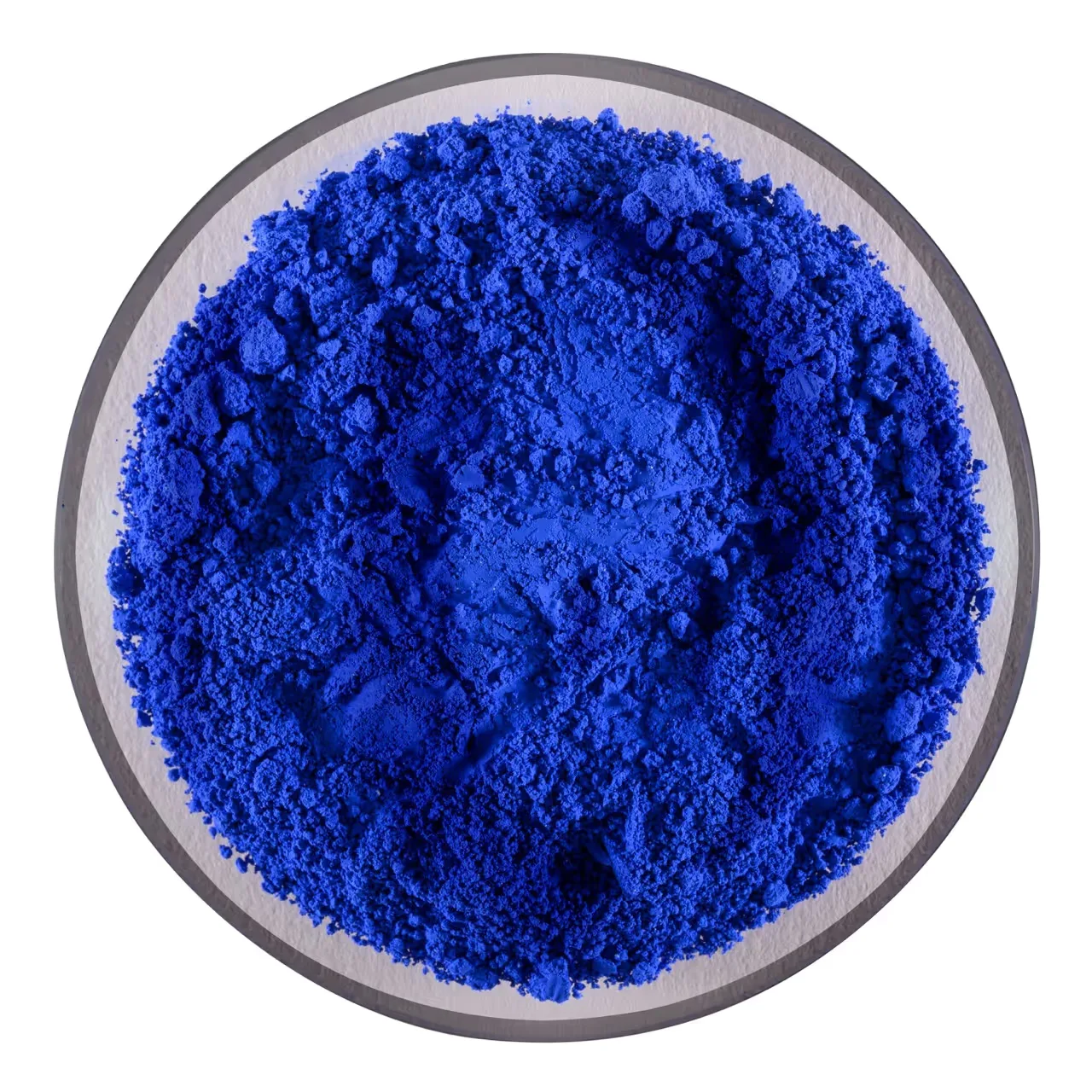
A useful trial begins before the machine starts. The goal is to evaluate BP-080 Royal Blue under conditions representative of the finished part and leave a record that can be repeated.
1. Document the baseline
Record product grade and lot, resin, recycled content, process, machine, normal temperature, wall thickness, and the visual or functional standard.
2. Confirm the documented scope
Resins
- High-density polyethylene (HDPE)
- Low-density polyethylene (LDPE)
- Linear low-density polyethylene (LLDPE)
- Polypropylene (PP)
- General-purpose and impact polystyrene
- Rigid and flexible PVC compounds
- Solid TPU
- EVA
Processes
- Cold- or hot-runner injection molding
- Extrusion
- Blow molding
- Rotational molding
3. Prepare the blend
Measure by weight, use clean equipment, and prevent carryover from the previous material. Retain samples of the resin and concentrate used in the trial.
| Variable | Published reference |
|---|---|
| Temperature | 140–210 °C is the published reference range. |
| Dosage or incorporation | 5 g/kg in injection molding; 6–8 g/kg in extrusion; 6–10 g/kg in blow molding; 7–9 g/kg in rotational molding. |
4. Run a controlled trial
- Stabilize the equipment with the base resin.
- Introduce the blend without changing several variables at once.
- Separate the first transition parts.
- Record every dosage, temperature, or residence-time adjustment.
- Retain identified samples from the stable run.
5. Evaluate and decide
Compare appearance, dispersion, processing behavior, and part requirements against the initial acceptance criteria. When a change is needed, alter one controlled variable per trial.
- Powder handling requires appropriate housekeeping and mixing controls.
- Approve the shade in the final resin and wall thickness.
- This grade is not formulated with FDA-approved materials.
Official references
Check the live product page before quoting or repeating a trial. Current packaging and commercial information are maintained there.