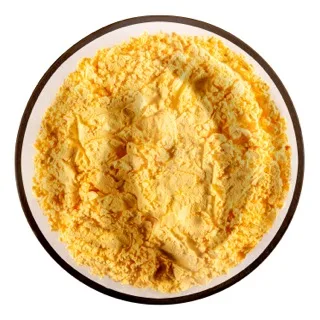
AD-301 is evaluated when a project seeks a somewhat lighter part through chemical foaming. Results depend on resin, temperature, wall thickness, and process.
Where it may fit
- Footwear
- Thermal or acoustic insulation
- Packaging, household goods, automotive parts, and sporting goods
Documented resins and processes
Published compatibility is a starting point, not automatic approval of the finished part.
Resins
- High-density polyethylene (HDPE)
- Low-density polyethylene (LDPE)
- Linear low-density polyethylene (LLDPE)
- Polypropylene (PP)
- General-purpose and impact polystyrene
- Rigid and flexible PVC compounds
- Solid TPU
- EVA
- SAN
Processes
- Injection molding
- Extrusion
- Rotational molding
What the formulation contributes
- Supports density-reduction trials
- Documented use in three processes
- Presentation ready for process incorporation
Before selecting the grade
Define the resin, process, wall thickness, target appearance, and acceptance method. A sample in a different material does not replace a production-representative trial.
Limits to respect:
- Do not promise a fixed weight reduction without testing.
- Cell structure and finish change with temperature and residence time.
- Confirm that the process window activates the additive without degrading the resin.
Official references
Check the live product page before quoting or repeating a trial. Current packaging and commercial information are maintained there.